
Booking a landscaper should come after the project is clear enough to compare—not simply after the first price arrives. Waterloo homeowners may be weighing a planting update, a patio or retaining wall, drainage concerns, new lawn establishment, or several connected improvements. Each one changes the questions that belong in the first conversation.
Use this guide to prepare for a consultation with a Waterloo landscaping team. It focuses on the details that affect scope and decisions: how the property handles water, what preparation is included, which materials fit the plan, how crews will access the site, and who handles care after installation.
1. What problem should the project solve first?
Begin with function before choosing products. Is the priority a better gathering space, safer steps, more usable lawn, easier bed care, improved privacy, or control of an eroding slope? A clear first priority helps a landscaper distinguish the essential work from optional additions.
Also describe what is not working now. Mark low areas after rain, routes people actually walk, places where plants struggle, and lawn edges disturbed by runoff or traffic. These observations are more useful than trying to diagnose the technical cause yourself.
2. Does one feature affect the rest of the yard?
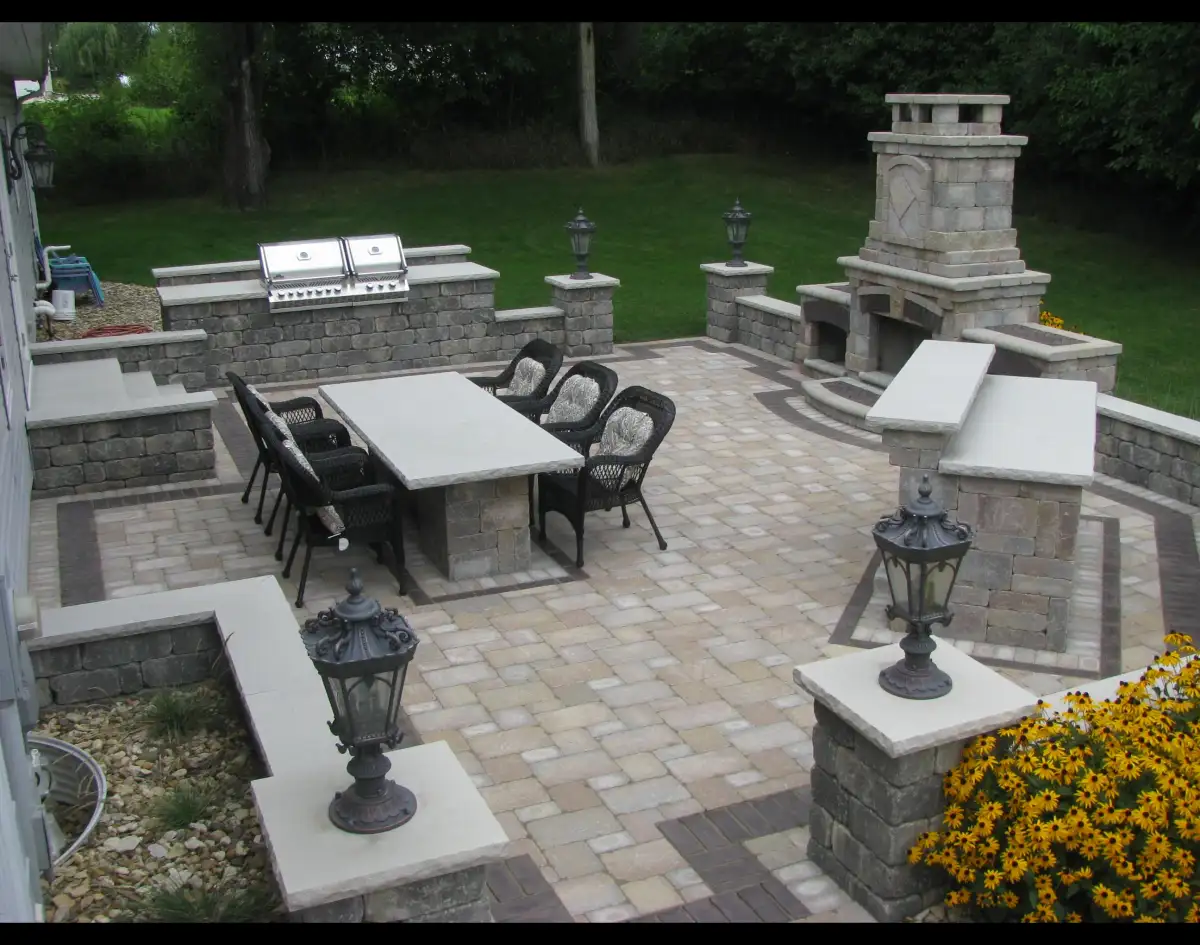
A patio can change finished grades, drainage, access, lighting, planting beds, and lawn restoration. A retaining wall can affect steps, slopes, utilities, and nearby trees. If several features connect, ask whether a landscape design should settle their relationships before individual prices are finalized.
This is especially important if the work will be phased. The first phase should prepare for later improvements instead of placing utilities, grades, or finished surfaces where they must be disturbed again.
3. How will Waterloo drainage and site conditions be evaluated?
Water movement belongs in the first site review. Point out downspouts, low spots, wet areas, slopes, and any surface that sheds water toward the work area. New hard surfaces and changes in grade can redirect runoff, while repeated freezing and thawing can expose weaknesses in base preparation or drainage.
The City of Waterloo publishes stormwater and property-drainage resources, and applicable requirements depend on the project. Ask what the landscaper will evaluate, whether the plan could affect drainage beyond the work area, and who will confirm any approvals or site constraints before installation.
4. What is included in the written estimate?
A useful estimate defines the outcome as well as the visible finish. Depending on the project, the scope may include removal, excavation, base or soil preparation, grading, drainage components, materials, installation, disposal, cleanup, and repair of disturbed lawn or planting areas.
Ask for assumptions and exclusions in writing. If two proposals have different totals, check whether they include the same preparation, quantities, material specifications, disposal, and restoration. An hourly rate or single total cannot show those differences by itself.
5. Which material and plant details will be decided before work begins?
For hardscaping, discuss surface material, base preparation, edge support, drainage, steps, transitions, and expected maintenance. For planting, discuss mature size, sun, soil moisture, winter hardiness, spacing, and the amount of care the bed will need after establishment.
Ask when selections become final and how substitutions would be handled if an item is unavailable. A proposal is easier to compare when it describes performance and placement rather than relying only on broad labels such as “pavers,” “shrubs,” or “topsoil.”
6. What will the property need before the crew arrives?
Walk the likely access route. Waterloo homes can have narrow side yards, fences, shared drives, overhead lines, mature roots, irrigation, pets, or limited staging space. Confirm where equipment and materials can enter, what must be moved, how gates will be handled, and which existing areas need protection.
Ask whether utility marking, permits, design approvals, or homeowner decisions must be completed first. Knowing those responsibilities early prevents a ready crew from arriving before the site or scope is ready.
7. What schedule can be discussed without making weather promises?
Planning, material availability, site conditions, and weather can all affect a landscape schedule. Ask for the expected sequence and the factors that could move it rather than treating one date as a guarantee. Planting and turf establishment may also have different seasonal considerations than excavation or hardscape work.
Request an explanation of what the yard will look like between stages and whether any walk, drive, gate, or outdoor area may be unavailable. A clear sequence helps a homeowner plan around the work without assuming every phase happens continuously.
8. How will changes and concealed conditions be handled?
Not every buried condition is visible during an initial visit. Ask how the landscaper will communicate if excavation reveals unsuitable soil, an unknown obstruction, a drainage issue, or another condition that could change the scope. You should understand who approves a change and how its effect on cost or timing is documented before extra work proceeds.
Also ask what happens if you request an upgrade during construction. A simple change process protects both the homeowner and contractor from relying on incomplete verbal conversations.
9. What care begins at the final walkthrough?
The final conversation should cover the installed scope, operating details, and early maintenance. New sod or hydroseed, planting beds, pavers, retaining walls, and lighting do not share one care routine. Ask which tasks belong to the homeowner, what signs should prompt a call, and whether ongoing landscape maintenance is a separate service.
For local availability and relevant service paths, review the Waterloo service area page. Then bring your address, project priorities, site photos, access notes, and preferred timing to the consultation.
FAQ: Comparing Waterloo Landscaping Proposals
What are common landscaping mistakes new homeowners make?
Common mistakes include choosing features one at a time without considering drainage or finished grades, selecting plants without accounting for mature size and site conditions, and comparing proposals that do not include the same preparation or restoration work.
Is $100 an hour too much for landscape work?
An hourly figure alone does not show whether a proposal is a good value. Ask what labor, equipment, supervision, materials, disposal, preparation, and restoration are included, then compare written scopes for the same result.
What is usually the most expensive part of landscaping?
The largest cost depends on the property and plan. Excavation, drainage work, retaining walls, patios, material quantities, equipment access, and repair of disturbed areas can all influence the total. A site-specific estimate should separate the major parts of the scope.
How is landscape maintenance priced?
Maintenance pricing typically reflects the property size and condition, tasks included, visit frequency, access, seasonal work, and disposal needs. Request a written list of included and excluded tasks so different proposals can be compared fairly.
Ready to discuss the right scope for your property? Contact Matthias Landscaping Co. with your Waterloo address, the areas you want to improve, known drainage or access concerns, and your preferred timing. You can also call (319) 226-6000.