Tree & Shrub Planting in Waterloo, Iowa
The right tree in the right location adds shade, privacy, and value to your property for decades. Matthias Landscaping Co. handles species selection, site preparation, and professional installation across the Cedar Valley.
Schedule a ConsultationTrees That Thrive in Iowa's Climate
Tree planting is one of the highest-return investments you can make in your property. A well-placed shade tree reduces summer cooling costs, a row of evergreens creates a year-round privacy screen, and ornamental varieties add seasonal color and curb appeal that increases property value. In the Cedar Valley, where USDA Hardiness Zone 5a means winter lows reach negative 20 degrees Fahrenheit, species selection is critical to long-term success.
Matthias Landscaping Co. has been planting trees across Waterloo, Cedar Falls, and the surrounding communities since 1991. We source nursery-grown stock from regional suppliers whose trees are already acclimated to Iowa's growing conditions. We dig planting holes to the correct dimensions for each species — wide enough to encourage lateral root spread, and at the precise depth so the root flare sits at grade level. We amend the backfill when Black Hawk County's clay soils require it, stake only when wind exposure demands it, and mulch properly to retain moisture without smothering the trunk.
These details sound simple, but improper planting depth alone causes more tree failure in Iowa than any disease or pest. A tree planted too deep will develop girdling roots within a few years that slowly strangle the trunk. Our team gets it right the first time.
Trees That Perform in the Cedar Valley
We select species proven to handle Iowa's temperature extremes, clay soils, and storm exposure, then place them where their mature size will work with the home, lawn, utilities, and hardscape.
Shade trees such as red maple, bur oak, hackberry, and Kentucky coffeetree can lower summer heat around patios and west-facing rooms. They need enough soil volume, clearance from roofs and overhead lines, and room for roots to spread without lifting walks or edging.
Ornamental trees such as serviceberry, redbud, crabapple, and Japanese tree lilac bring spring flowers, summer texture, and fall color without overwhelming a front entry or smaller backyard. They work especially well near landscape design focal points, seating areas, and bed corners that need height without a full canopy.
Evergreen screens using white pine, Norway spruce, or arborvitae can add privacy and winter structure when they are spaced for mature growth. We account for snow load, wind exposure, mowing access, and the time it takes the screen to fill in so the planting looks right now and stays healthy later.
How We Match Trees to the Site
- Sun, shade, and winter wind exposure around the planting area
- Soil moisture, drainage, and compaction near foundations or walks
- Mature height and spread, not just the size of the nursery stock
- Utility clearance, sight lines, mowing routes, and future hardscape plans
- Watering expectations during the first two growing seasons
Shrub Installation for Iowa Properties
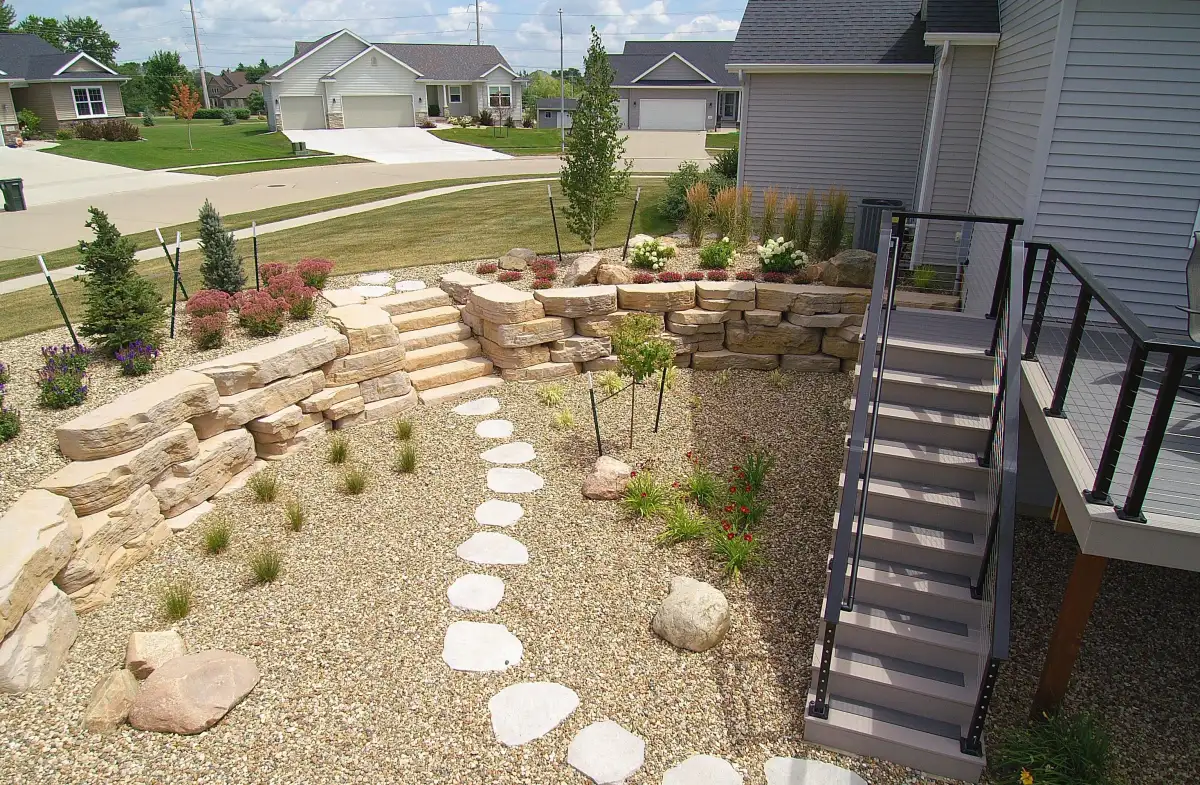
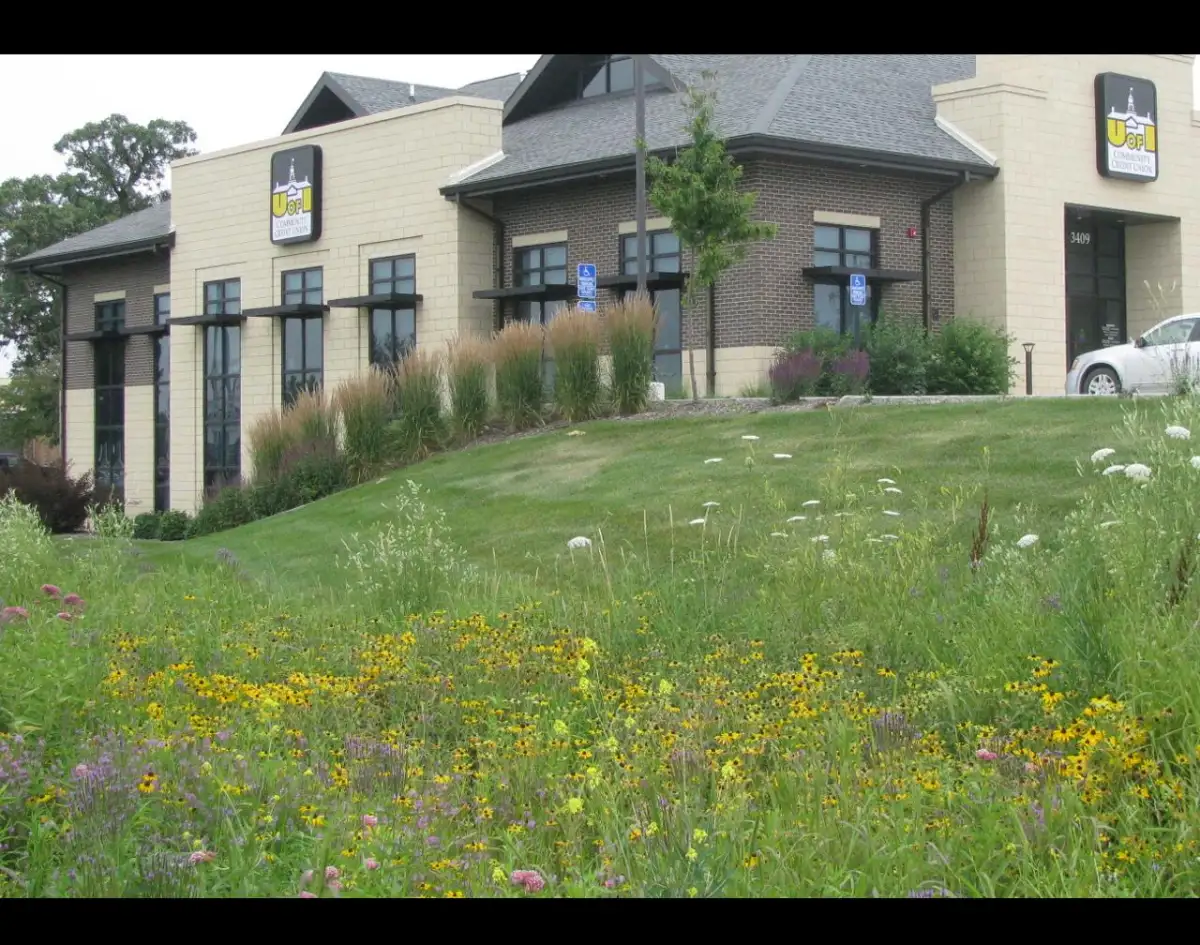
Shrubs form the mid-layer of a well-designed landscape — taller than perennials but shorter than trees. They define property edges, soften building foundations, frame entryways, and create visual structure that persists through winter when perennials have gone dormant.
We install a range of shrub varieties suited for Iowa, including boxwood for formal hedging, hydrangea for summer blooms, ninebark and spirea for low-maintenance color, and burning bush and viburnum for fall interest. Each planting is selected based on your property's specific sun exposure, soil conditions, and the mature size appropriate for the location.
Foundation plantings are particularly important in the Cedar Valley, where bare foundations look stark against winter landscapes. A properly designed foundation planting with a mix of evergreen and deciduous shrubs provides year-round structure and seasonal color right where your home meets the ground.
Tree Planting FAQ
The optimal planting windows in the Cedar Valley are early spring (April to mid-May) before summer heat arrives, and fall (September to mid-October) when soil temperatures are still warm enough for root growth. Fall planting is often preferred because the tree can establish roots through the cool autumn months and is better prepared for the following summer. We avoid planting during the heat of July and August when transplant stress is highest.
Black Hawk County's clay soils drain slowly and can create waterlogged conditions around new plantings. We dig wide, shallow planting holes — typically three times the root ball diameter but no deeper than the root ball height. We roughen the sides of the hole to prevent a glazed clay wall that roots cannot penetrate. When needed, we amend the backfill with compost to improve drainage and aeration. For sites with severe drainage issues, we may recommend raised planting beds or different species that tolerate wet feet.
Not always. We only stake trees when the site has significant wind exposure or when the tree has a small root ball relative to its canopy size. Over-staking actually weakens trunk development because the tree never learns to support itself against wind. When we do stake, we use flexible ties with movement slack and remove the stakes after one growing season. Most trees planted properly in protected residential lots do not need staking at all.
Plant Something That Lasts
Contact Matthias Landscaping Co. to discuss tree and shrub planting for your property. We will help you select the right species and ensure every planting is installed for long-term success.
Schedule a ConsultationTree and Shrub Planning
Trees and Shrubs Planted for Long-Term Fit
Tree planting is most successful when species selection, mature size, soil conditions, utilities, wind exposure, and nearby hardscapes are considered before digging. The right tree in the wrong place can become a future maintenance problem.
Matthias Landscaping can help choose trees for shade, screening, curb appeal, structure, or privacy while accounting for Iowa winters and common site constraints. Planting depth, root preparation, staking, and watering plans all affect establishment.
A consultation can also identify where trees should work with beds, patios, lighting, and lawn areas instead of competing with them.
Request Service Guidance