
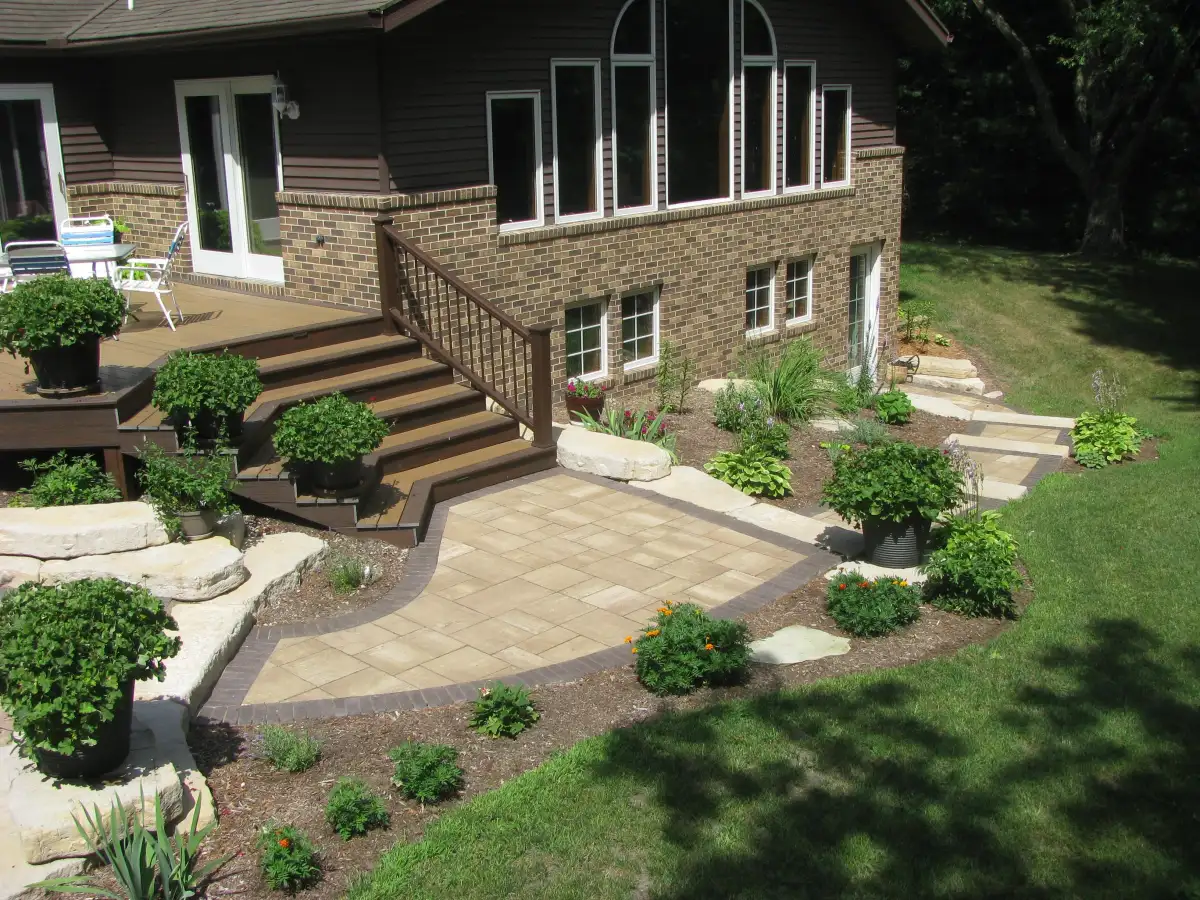
Booking a landscaper is not one decision. It is a series of smaller decisions about the right service, the condition of the property, the work included in the proposal, and the care the finished landscape will need. Asking those questions in order helps Waterloo homeowners compare recommendations without reducing every project to a price or a list of materials.
Start by describing the outcome you want. You may need a more useful patio, planting that fits the site, help with a slope, fresh turf after construction, or a plan that connects several outdoor areas. The Waterloo landscaping service area page provides a local overview; the questions below help turn that first idea into a clearer conversation.
Before the first call: define the problem, not the product
You do not need to select every plant or paver before speaking with a landscaper. It is more useful to note what is not working and how you want the property to function. Before the first call, make three short lists:
- areas or features that should remain;
- problems such as standing water, difficult access, worn turf, steep grades, or high-maintenance beds; and
- priorities for appearance, outdoor use, maintenance, timing, and investment.
Photos after a heavy rain or during the season when a problem is most visible can add useful context. They do not replace a site visit, but they help explain conditions that may not be obvious on a dry day.
1. Which landscaping service fits this project?
“Landscaper” can mean design, installation, hardscape construction, planting, turf establishment, or ongoing property care. Ask which category best matches the work and whether the company can coordinate multiple parts when they affect one another.
A property-wide change may benefit from landscape design before materials are ordered or excavation begins. A patio, steps, or built feature points toward hardscaping. Existing beds that need ongoing care are a different conversation from a new installation, and Matthias Landscaping lists that work under Landscape Maintenance. Clarifying the service early keeps the proposal focused on the actual goal.
2. What did the site visit change about the recommendation?
A thoughtful site review should affect the plan. Ask what the landscaper observed about grade, water movement, soil condition, sunlight, mature roots, existing structures, utility locations, and the route equipment would use. Those factors can influence layout, material quantities, plant choices, preparation, and project sequence.
Drainage deserves a direct question in Waterloo. New hard surfaces shed water, retaining walls interact with slopes, and reshaped beds can redirect runoff. The City of Waterloo publishes stormwater resources for property owners and construction activity. Ask how existing drainage was considered, what the finished grades are intended to do, and whether any project-specific requirements still need to be confirmed.
3. How much detail will the proposal include?
A proposal should make the result and responsibilities understandable. Depending on the project, useful details can include removal, excavation, base or soil preparation, grading, drainage components, material or plant specifications, installation, disposal, cleanup, and restoration of disturbed areas.
For a patio installation, for example, the walking surface is only part of the scope. Base preparation, edge restraint, transitions, steps, access, and drainage can change how two proposals compare. For a retaining wall, height, loads, soil, drainage, excavation, and access all matter. Ask what is included, what is excluded, and which selections must be approved before booking.
4. How should I compare landscaping prices?
Homeowners often search for an average hourly landscaping cost, but an hourly number rarely describes a complete project. Crew size, equipment, excavation, material quantities, site access, disposal, and restoration all influence the total. A lower hourly rate can still produce a higher final cost if the scope or productivity differs.
Compare proposals against the same desired outcome. Look for the amount of preparation, the materials or plants specified, who handles cleanup, how changes are approved, and whether disturbed lawn or beds will be restored. If an allowance is used, ask what it covers. If a condition is unknown until excavation, ask how the company will communicate its effect on price and timing before additional work proceeds.
5. What can change the project schedule?
A useful schedule explains sequence as well as dates. Iowa rain, saturated soil, freezing conditions, product availability, design decisions, approvals, and concealed site conditions can affect outdoor work. Ask which decisions must be completed before the start, which parts of the project depend on one another, and what conditions could pause work.
Sequence matters when several services meet. Heavy excavation and construction generally need to be coordinated before final planting or turf restoration. If the project ends with sod or hydroseeding, ask when that work occurs and what watering or access will be needed once the new turf is in place.
6. Who handles access, protection, cleanup, and disposal?
Walk the likely access route with the landscaper. Point out gates, narrow side yards, septic or irrigation components, overhead lines, mature trees, neighboring property, and pavement that needs protection. Confirm where materials can be staged and whether any entrance, drive, or outdoor area will be unavailable during the work.
Responsibilities should be just as clear. Ask who arranges utility marking, permits or association approvals when applicable, and who moves furniture or personal items. If the project creates soil, sod, brush, plant, or demolition debris, confirm what will be hauled away and what will remain. Municipal yard-waste pickup and contractor disposal are separate questions; the proposal should state which responsibility belongs to whom.
7. What care begins after the final walkthrough?
Installation is not the end of every decision. New plants, sod, hydroseed, pavers, walls, and lighting have different early-care and inspection needs. Ask what the final walkthrough covers, which maintenance tasks begin immediately, what written care information is provided, and which signs should prompt a follow-up call.
Also clarify whether ongoing maintenance is part of the installation proposal or a separate service. A finished plan is easier to protect when the homeowner knows who handles watering, weeding, mowing, seasonal adjustments, and routine inspection from the start.
A stronger first conversation with a Waterloo landscaper
You do not need a finished design to begin. Bring the property address, a few photos, the problems you want to solve, the features you want to keep, and your priorities for use, appearance, maintenance, timing, and investment. Then listen for recommendations that connect those goals to the actual conditions of the site.
The most useful pre-booking question is simple: “Can you explain why this scope fits my property?” A clear answer should connect site observations, preparation, materials, sequence, responsibilities, and aftercare—not just repeat the total at the bottom of the proposal.
FAQ: Booking a Landscaper in Waterloo
How much does a landscaper cost per hour in Waterloo, Iowa?
There is no single useful hourly figure for every landscape project. Crew size, equipment, excavation, materials, access, disposal, and restoration all affect cost. Compare written scopes and total project assumptions rather than hourly rates alone.
What planting zone is Waterloo, Iowa in?
Waterloo is generally identified as USDA Hardiness Zone 5a. That zone is a starting point for plant cold tolerance; sunlight, wind exposure, soil moisture, drainage, and the exact planting location still matter.
Should a landscaper include yard-waste removal in the proposal?
Removal should be stated clearly whenever the work creates sod, soil, brush, plant, or demolition debris. Ask what the crew will haul away, what remains on the property, and whether disposal is included in the quoted scope.
What should I prepare before meeting a Waterloo landscaper?
List the problems you want to solve, the features you want to keep, and your priorities for appearance, use, maintenance, timing, and investment. Photos of standing water, narrow access, or seasonal trouble spots can make the first conversation more productive.
Ready to discuss your Waterloo property? Contact Matthias Landscaping Co. to share your goals and project details, or call (319) 226-6000.