
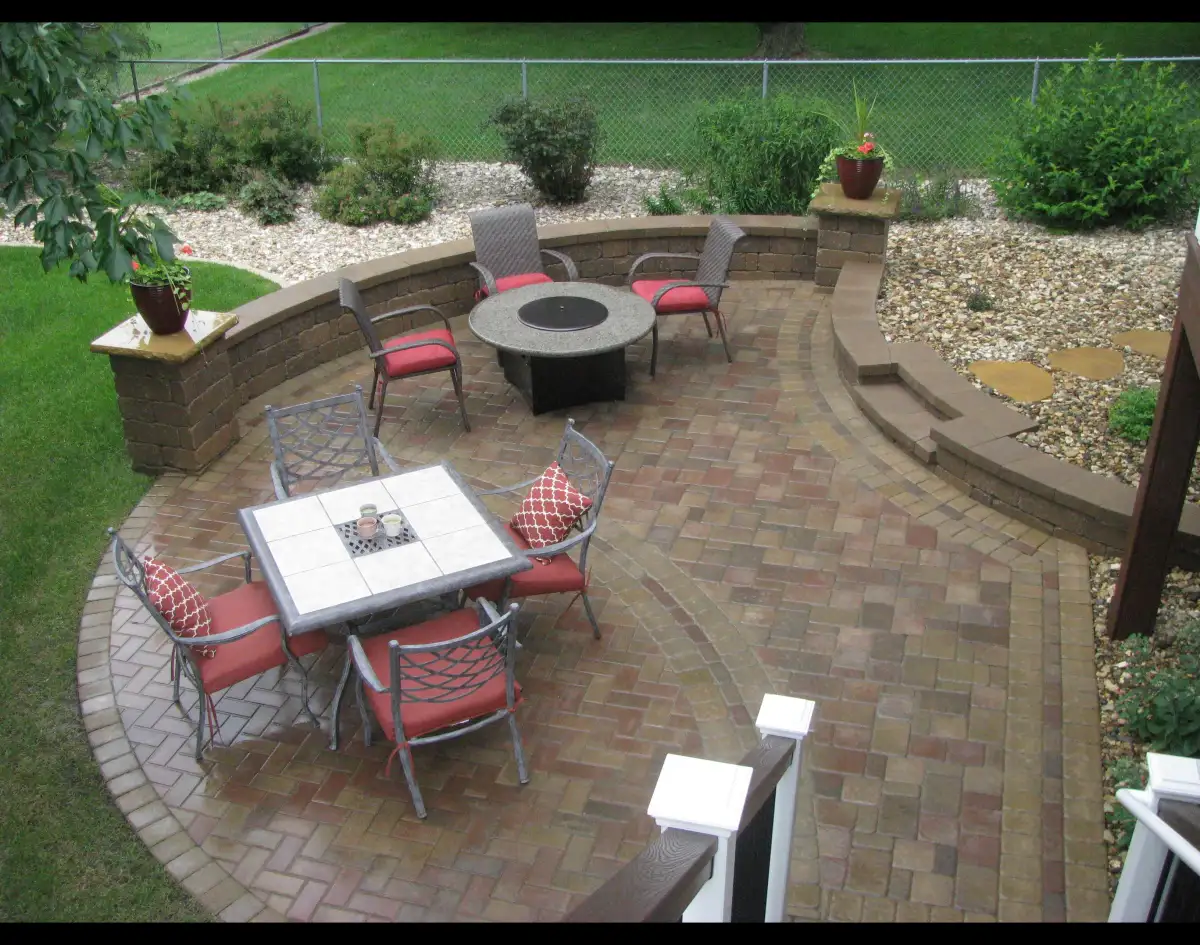
Before booking a landscaper, Waterloo homeowners need more than a list of services and a total. The best questions reveal how the recommendation responds to the property, what the proposal actually covers, and which decisions still belong to the homeowner.
Begin with the outcome you want: a better place to gather, less water collecting near a walkway, easier-to-manage planting beds, safer grade changes, or several outdoor features that finally work together. Then use the questions below to test whether the proposed scope supports that outcome.
1. What problem are we solving first?
A broad request for “landscaping” can lead to very different projects. One yard may need new beds and planting. Another may require grade changes, a patio, a retaining wall, lighting, and lawn restoration coordinated as one job. Ask the landscaper to identify the primary problem and explain which work must happen first.
That answer should also clarify the right service path. Matthias Landscaping provides complete landscaping, while connected projects can benefit from landscape design before installation decisions are finalized. Homeowners planning work in the city can also review the company’s Waterloo landscaping service area before reaching out.
2. Which site conditions shaped the recommendation?
A site visit should change or confirm the plan. Ask what was observed about grade, water movement, soil, sun and shade, mature roots, existing structures, utilities, and equipment access. These are not side notes; they can affect the layout, preparation, material quantities, plant placement, and sequence of work.
Water deserves a direct conversation. Patios and other hard surfaces change where rainfall moves, while walls and reshaped beds interact with slope and drainage. The City of Waterloo maintains stormwater information for residents and construction activity. Ask how the proposed grades are intended to manage water and whether any project-specific requirements need to be confirmed.
3. Do we need a design before we choose materials?
Material samples are easier to evaluate after the layout and use of the space are understood. Ask whether a design plan is needed to coordinate dimensions, elevations, movement through the yard, drainage, planting, lighting, and future additions. A design can be especially useful when several elements meet or when the project will be completed in phases.
For hardscaping, the visible surface is only one part of the decision. Base preparation, transitions, edge conditions, steps, walls, and access can all influence the build. For planting, the conversation should include mature size, light, moisture, maintenance expectations, and how beds relate to the rest of the property.
4. What is included—and what is not?
Ask for a proposal that makes the work and responsibilities understandable. Depending on the project, that may include removal, excavation, grading, drainage components, base or soil preparation, material and plant selections, installation, disposal, cleanup, and restoration of disturbed areas.
Then ask about exclusions and allowances. Who moves furniture or personal items? Who confirms utility marking, permits, or association approval when applicable? Will excess soil, sod, brush, or demolition debris be hauled away? If a material has not been selected, what does its allowance cover? Clear boundaries make proposals easier to compare and reduce surprises after work begins.
5. What makes the estimate move up or down?
A single hourly rate or average price does not describe a complete landscape project. Work area, removals, excavation, grading, drainage, preparation, material and plant choices, crew and equipment needs, access, disposal, restoration, and phasing can all affect the estimate.
Compare proposals against the same desired result. Ask how changes are approved, what happens if a concealed condition appears during excavation, and which homeowner selections must be completed before the price and schedule can be finalized. A strong answer explains cost drivers in plain language instead of treating the total as a black box.
6. How will timing and project sequence work?
Ask what must be decided before the start, which phases depend on one another, and which conditions could pause the work. Iowa rain, saturated soil, freezing weather, material availability, site access, and design decisions can affect an outdoor schedule. A responsible timeline should explain dependencies as well as target dates.
Sequence matters when several services meet. Excavation and major construction generally need to be coordinated before finish planting or turf restoration. If the project ends with sod or hydroseeding, ask when that work will occur and what watering, traffic, and early care will be required.
7. What should I expect after installation?
The final walkthrough should establish more than whether the site is clean. Ask which care tasks begin immediately, what maintenance is seasonal, what written information is provided, and which signs should prompt a follow-up call. New plants, turf, pavers, retaining walls, and lighting do not all need the same kind of attention.
Also confirm whether ongoing service is included or separate. Matthias Landscaping lists care for established beds under Landscape Maintenance. Knowing who handles watering, weeding, seasonal adjustments, and routine inspection makes it easier to protect the completed work.
What to bring to the first conversation
You do not need a finished design before contacting a landscaper. A concise project summary is more useful. Bring or send:
- the property address and the areas involved;
- photos of standing water, access constraints, or seasonal problem spots;
- features you want to keep and problems you want to solve;
- priorities for use, appearance, maintenance, timing, and investment; and
- any future features that the first phase should leave room for.
The most revealing final question is: “Why does this scope fit my property?” A useful answer should connect the recommendation to observed site conditions, preparation, materials, sequence, responsibilities, and aftercare.
FAQ: Booking a Waterloo Landscaper
What should I ask before booking a landscaper in Waterloo, IA?
Ask what the site review found, which work is included and excluded, whether a design is needed, how drainage and access affect the plan, what can change the price or schedule, who handles cleanup, and what care begins after installation.
How much does landscaping cost in Iowa?
There is no single useful price for every project. The work area, removals, grading, drainage, preparation, material and plant selections, equipment access, disposal, restoration, and project sequence can all affect the estimate. Compare written scopes, not just totals.
When should I contact a Waterloo landscaper?
Reach out once you can describe the main problem, the areas involved, your priorities, and preferred timing. Larger or connected projects benefit from an earlier conversation because design decisions, material availability, weather, and project sequence can affect the schedule.
Which landscape projects benefit from a design plan?
A design plan is especially useful when patios, walls, planting beds, lighting, drainage, lawn restoration, or future outdoor features need to work together. A smaller, isolated update may need a simpler site review and written scope.
Ready to discuss your property? Contact Matthias Landscaping Co. with your Waterloo project goals, preferred timing, and any drainage or access concerns, or call (319) 226-6000.