
A Quick Lawn Care Booking Checklist
Before choosing a schedule, confirm the details that affect both the finish and the fit:
- Whether mowing, string trimming, edging, and hard-surface cleanup are included
- How visit frequency and cutting height change with growth and weather
- Whether gates, pets, irrigation heads, wet areas, or other obstacles need special instructions
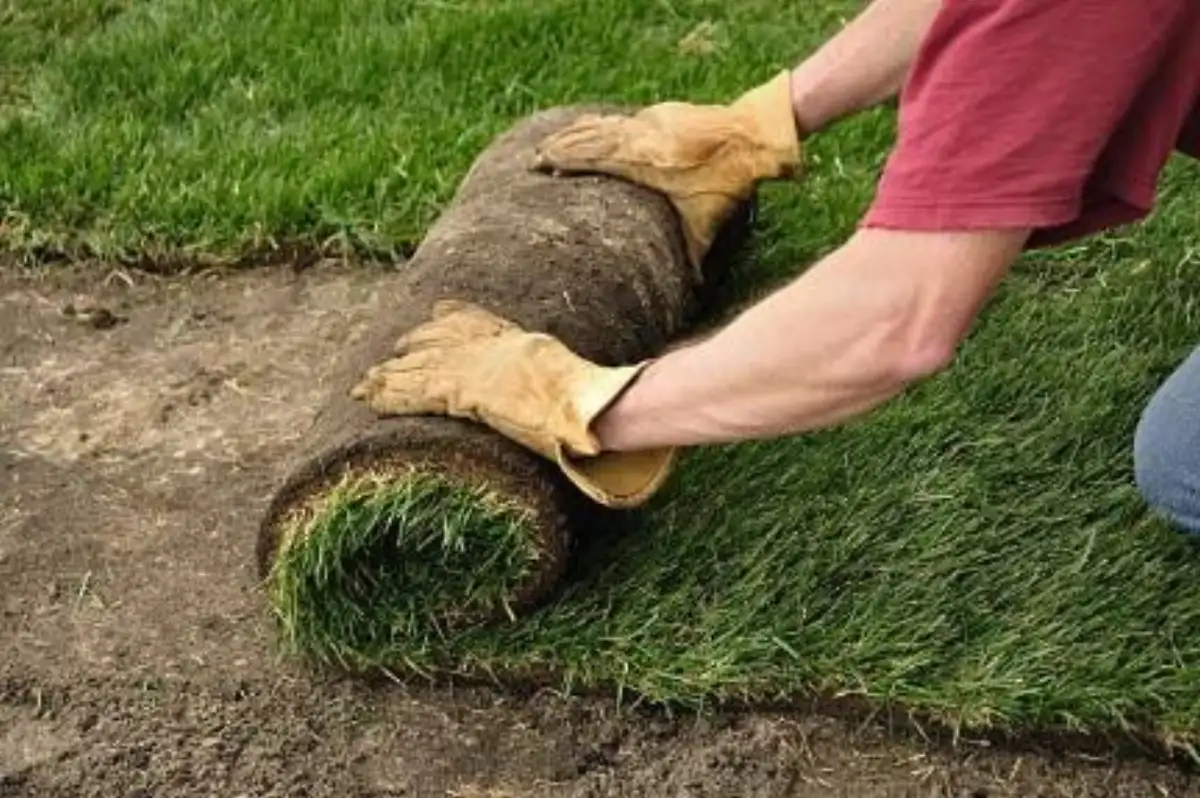
- When bare or damaged turf should be evaluated for sod, hydroseeding, or a broader landscape solution
What Is Included in Each Lawn Care Visit?
Ask for the visit checklist before comparing schedules or prices. A clean mow can look unfinished if tall grass remains along fences, tree rings, mailbox posts, bed borders, or patio edges. Clippings left across the driveway and front walk create another cleanup task for the homeowner.
Matthias Landscaping describes its regular mowing visit as four connected steps: mowing, string trimming around obstacles and beds, edging along sidewalks and driveways, and blowing clippings from hard surfaces. Confirm whether your property has any areas that need special attention, such as a fenced side yard, a narrow gate, play equipment, steep grade changes, or several small lawn sections separated by landscape beds.
What Cutting Height Will Be Used?
A very short cut may look tidy for a day, but cutting lower is not automatically better for the turf. For the cool-season grass varieties common in the Cedar Valley, Matthias Landscaping generally maintains a 3- to 3.5-inch mowing height during the growing season, with adjustments at the beginning and end of the mowing year.
Cutting height affects how much leaf surface remains, how well the lawn shades its soil, and how it handles summer stress. Ask whether the height will be adjusted for current conditions rather than chosen only for appearance. It is also worth asking how mower blades are maintained; a clean cut leaves a sharper grass tip, while torn ends can give the lawn a dull or brown cast after mowing.
Will Clippings Be Mulched or Bagged?
Homeowners often assume bagging is the cleanest default, but short clippings from a regularly maintained lawn can usually be mulched back into the turf. The pieces settle between the grass blades and break down instead of becoming a visible layer on top.
Bagging becomes more relevant when grass has grown long enough that the clipping volume could clump or mat over the lawn. A homeowner may also simply prefer a bagged finish. Ask what the normal approach is, when the crew changes that approach, and whether any clippings will be removed from the property. The answer should match the actual condition of the grass on mowing day.
Discuss the Work Your Property Needs
For service scope and a property-specific consultation, see landscaping and lawn care in Waterloo and the Cedar Valley. Describe the conditions you have observed when you request a consultation.